
7 Golf Tips for Beginners: Learn from a PGA Professional
By Tony Meechai, PGA — Thai-American PGA professional golf coach, Bangkok
Updated 2026.09.04
To transition from the range to the course, master your grip and setup, keep your swing compact, and prioritize your short game. Focus on one target during practice, wear proper golf shoes, learn basic etiquette, and enjoy your early rounds. Consistency in these fundamentals is the fastest path to building a reliable, repeatable game.
Master the Fundamentals
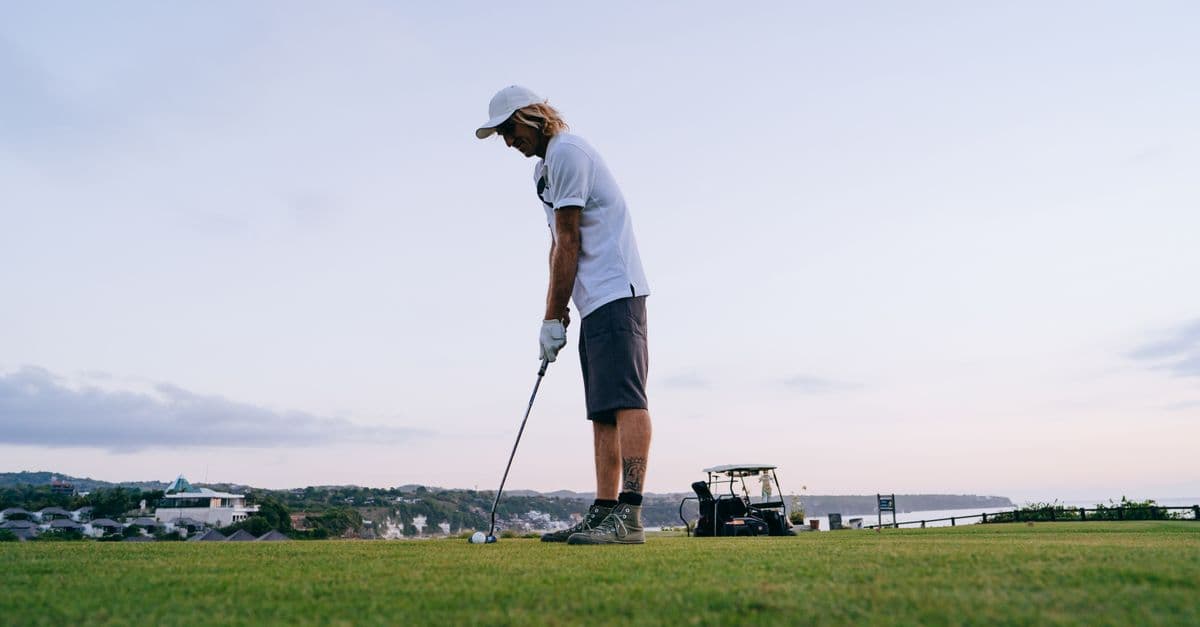
Your grip and setup are the foundation of every shot you will ever hit. If your hands are incorrectly placed or your posture is poor, the rest of your swing will struggle to compensate. Spend time with a PGA coach to ensure your alignment is neutral and your grip is secure before you worry about distance or power.
- Grip and Setup: Build a neutral, repeatable foundation that supports a natural swing path.
- Small Swings: Focus on half-swings to develop solid contact rather than trying to hit the ball as far as possible.
Practice with Purpose
Beginners often waste time hitting balls without a specific goal. Instead, treat every practice session like a real round by picking one target for every shot. This builds the mental discipline required to navigate a course and helps you understand your ball flight patterns more clearly.
For those looking to accelerate their progress, structured training is far more effective than aimless repetition.
- Prioritize Short Game: Spend the majority of your early practice time on putting and chipping, where most strokes are saved.
- Target Practice: Never hit a ball without a clear, specific target in mind to simulate on-course pressure.
Preparation and Etiquette
Golf is a game of rules and respect. Wearing proper golf shoes provides the stability needed for a safe swing, while understanding basic etiquette ensures you are welcomed on any course in Thailand. Learning how to move efficiently and respect the pace of play is just as important as your swing technique.
If you are unsure where to start, consider golf for beginners in Bangkok to learn these habits in a professional environment.
- Proper Footwear: Invest in golf-specific shoes to maintain balance and prevent injury during your swing.
- Basic Etiquette: Study the fundamental rules of conduct to ensure you respect other players and the course environment.
Frequently asked questions
Q1.How long does it take to get good at golf?
Golf is a lifelong pursuit, but you can achieve basic competency within a few months of consistent, guided practice. Focusing on the [Meechai Method](/blog/meechai-method-golf) helps students avoid common pitfalls, allowing them to reach the course faster than those who practice without professional oversight.
Q2.Do I need my own clubs to start?
You do not need a full set of professional-grade clubs immediately. Many facilities offer rentals, and it is often better to consult with a coach before purchasing your first set. A professional can help you choose equipment that matches your physical build and current skill level.
Q3.Is it better to take lessons or practice alone?
Practicing alone without a clear plan often reinforces bad habits. Taking professional lessons ensures you are building the correct mechanics from day one. Understanding [how many golf lessons you need](/blog/how-many-golf-lessons-do-i-need) depends on your personal goals and how quickly you want to progress.
Q4.What is the most important part of the game for a beginner?
The short game—putting and chipping—is where beginners see the most immediate improvement. You should prioritize spending significant time practicing your chipping and short putts, as mastering these delicate strokes around the green is what truly separates a high-handicapper from a consistent, confident player.